
When tooth pain becomes severe or a tooth is infected, a root canal procedure is often the recommended solution to save the tooth and relieve discomfort. For residents of Sriganga Nagar and Rajasthan, understanding what to expect during a root canal can help reduce anxiety and promote timely care.
This detailed guide explains each step of the root canal procedure at Integra Dental & Medical Centre, demystifying the process and emphasizing its effectiveness in restoring dental health.
A root canal is a dental treatment used to repair and save a tooth badly damaged or infected in its pulp — the soft tissue inside the tooth containing nerves and blood vessels. Without treatment, the infection can cause abscesses and lead to tooth loss.
Root canal therapy removes infected tissue, disinfects the canal, and seals the tooth to prevent further infection while maintaining its natural function and appearance.
Common symptoms indicating root canal therapy include:
Severe toothache or throbbing pain
Sensitivity to hot or cold that lingers
Swelling or tenderness in nearby gums
Darkening of the tooth
Persistent bad breath or bad taste due to infection
If any of these symptoms occur, timely dental consultation is essential to prevent worsening.
Dental Examination and X-rays
The procedure begins with a thorough clinical examination and X-rays to assess the extent of infection and plan treatment.
Local Anesthesia to Numb the Tooth
The dentist numbs the affected tooth and surrounding area to ensure comfort throughout the procedure.
Dental Dam Placement
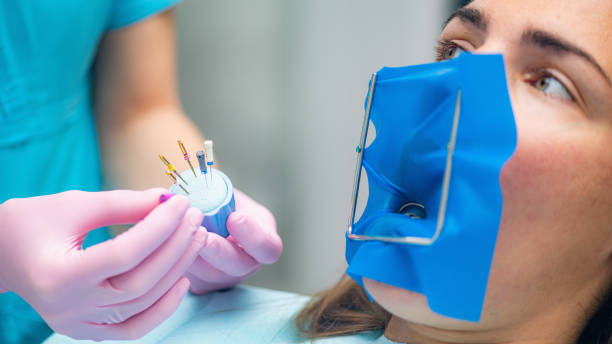
A rubber dental dam isolates the tooth, keeping it dry and free from saliva during treatment.
Access Opening
The dentist creates a small opening in the crown of the tooth to reach the infected pulp chamber.
Removal of Infected Pulp
Using specialized instruments called files, the dentist carefully removes the infected or damaged pulp tissue from inside the root canals.
Cleaning and Shaping of Root Canals
The now-empty canals are cleaned, disinfected, and shaped to prepare for filling.
Filling the Canals
The dental canals are filled with a biocompatible material called gutta-percha to seal the space and prevent reinfection.
Temporary Filling Placement
A temporary filling seals the access opening until the tooth can be permanently restored.
Permanent Restoration
Typically, crowns are recommended after root canals to protect the tooth from fracture and restore function. This step may require additional visits.
It’s common to experience mild soreness or sensitivity in the treated tooth for a few days, which can be managed with over-the-counter pain relievers. Maintain good oral hygiene and avoid chewing hard foods on the treated side until fully healed.
Most root canal treatments have a high success rate in saving natural teeth, allowing patients to bite and chew normally.
Integra Dental & Medical Centre in Sriganga Nagar employs the latest endodontic technology and techniques to provide pain-free, effective root canal treatments. Our experienced dental team focuses on patient comfort, clear communication, and excellent outcomes.
A root canal procedure is a safe and reliable way to save an infected tooth, relieve pain, and maintain oral health. Knowing what to expect reduces fear and encourages prompt treatment, essential for the best results.
If experiencing tooth pain or suspect an infection, don’t delay. Schedule a consultation at Integra Dental & Medical Centre, Sriganga Nagar to receive expert evaluation and care tailored to your needs.
Integradmc Medical and Dental Clinic offers integrated healthcare services, combining advanced dental treatments with comprehensive medical care to improve overall patient health and convenience
+91 8764479270
@2025 Integradmc. All rights reserved